Fourfold
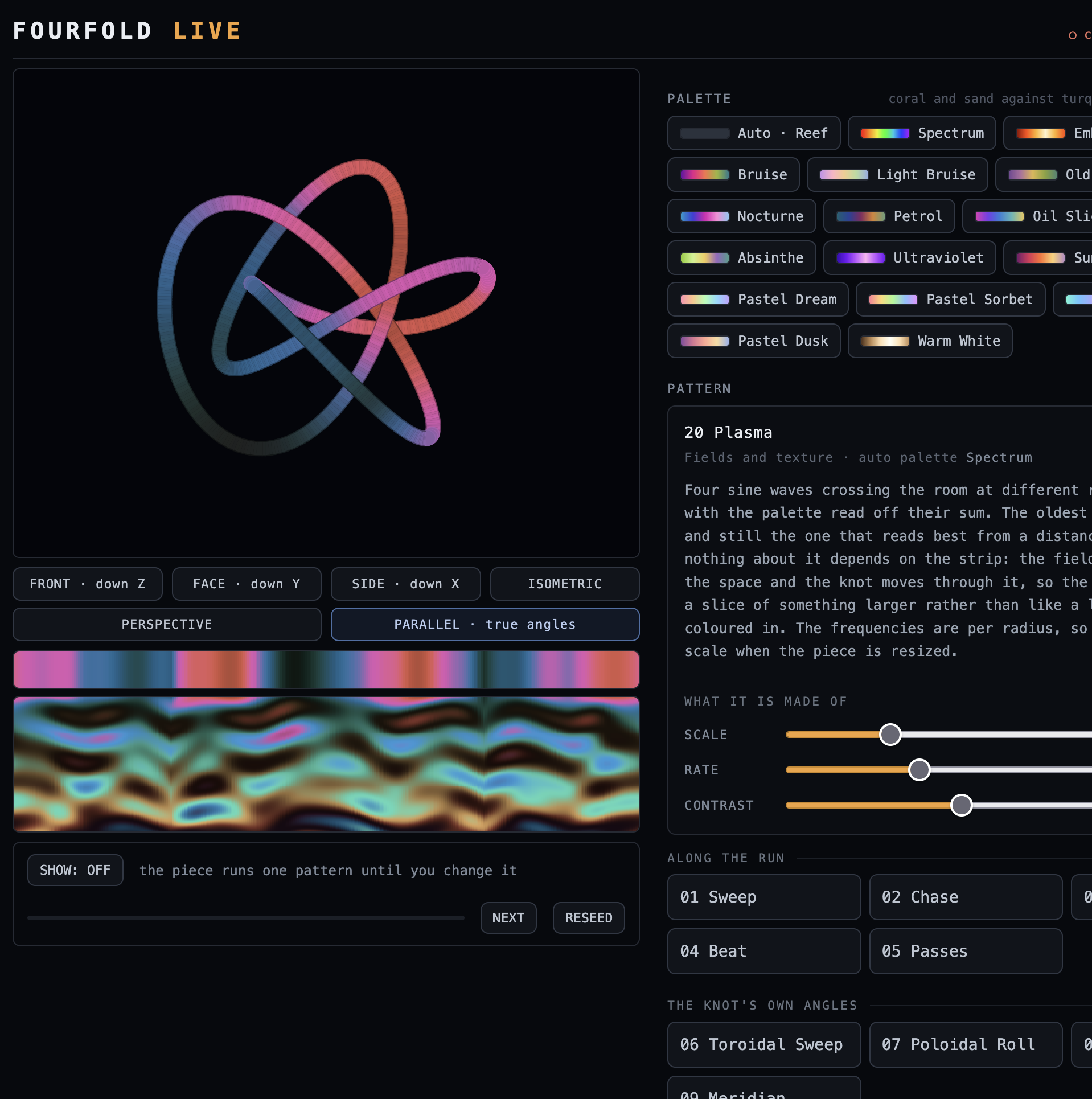
A torus knot made of light
An LED strip will be made into the shape of a torus knot to hang or sit as a light sculpture. The sculpture (sort of) convincingly works as either a line, a surface (of a torus), or a volume, making a lot of interesting plays of light possible. A laptop can render it live over wifi, or an ESP32 can run it on its own.
The knot will be a small one, either (3,4), (4,3), or (5,4). One 5m strip of LEDs makes for one continuous run. The only joint is where the end comes back to the start.
The strand
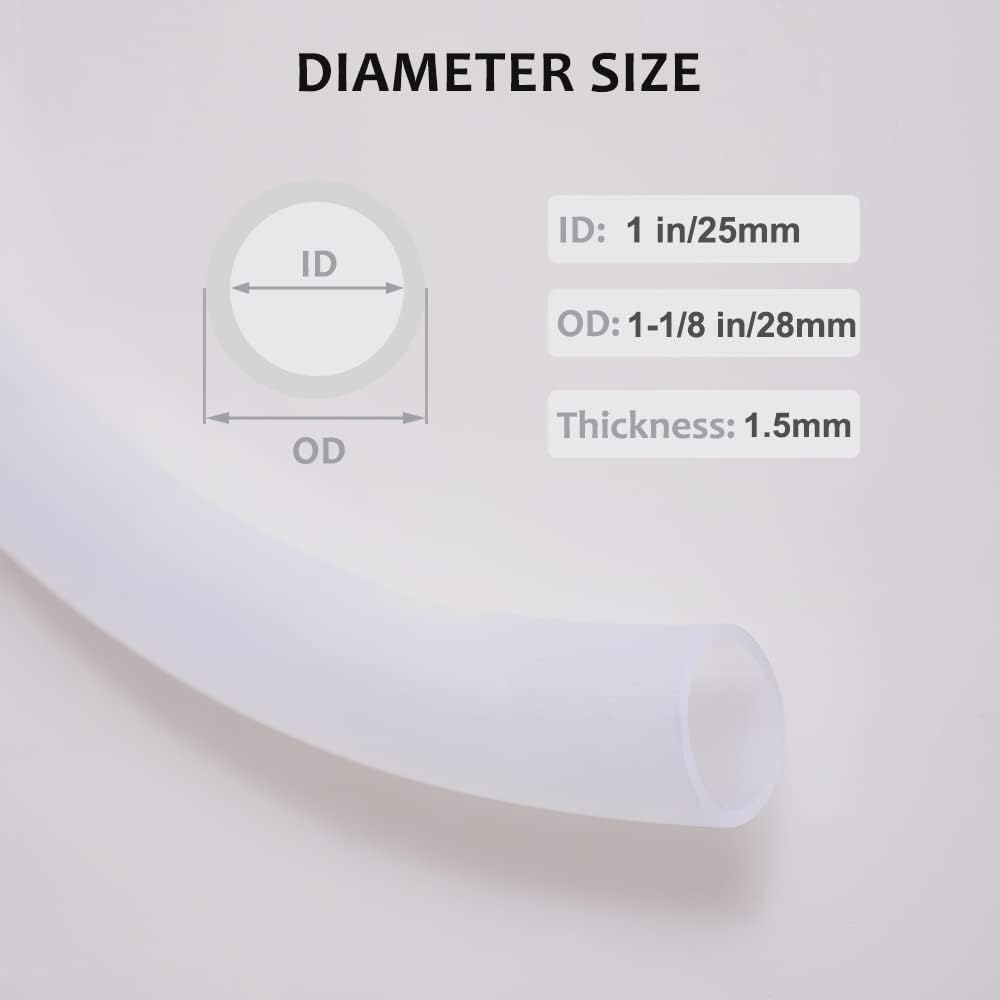
The cross section is a bundle of parts inside a translucent silicone tube:
- two 3/8" aluminium tubes, side by side, acting as the spine
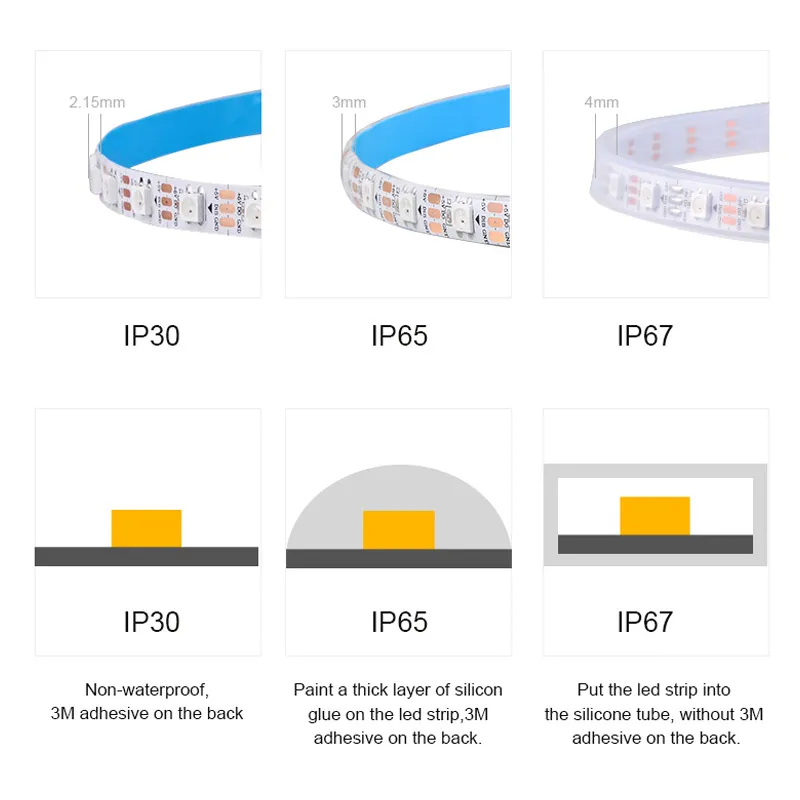
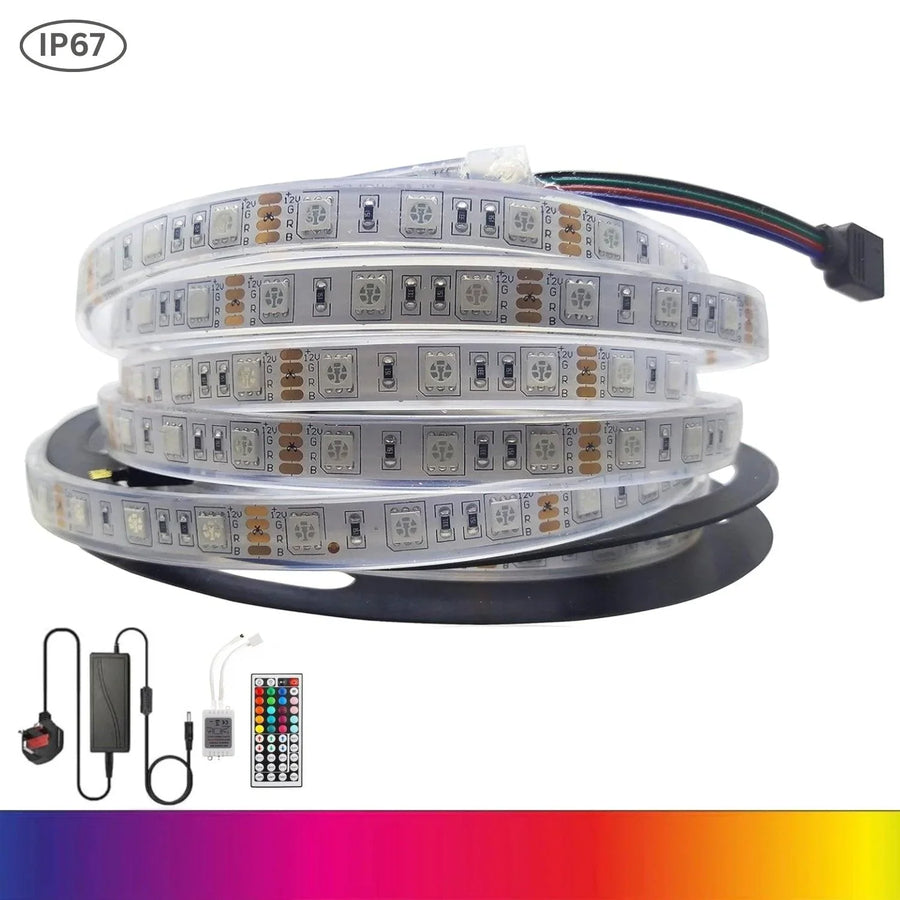
- two LED strips, back to back on the opposite faces of the tube pair, so the strand gives light both ways
- a 1" ID silicone diffuser tube around all of it, which (kind of) diffuses the light
The clip (my untested idea)
The LED and aluminum spine bundle can be taped together easily, but it'd still be loose inside the diffuser tube. The piece will look a lot better if the bundle can be centred inside the diffuser tube. Perhaps a small 3D-printed clip could keep the stack centered, at occasional stations along the strand. (The image below shows a clip between every LED, but that will not be necessary. Probably there will be one every 4–6 inches.)

clip.scad.The clip is one 2D profile, extruded 8mm. Two of them latch together into a circle at each station.
clip.scad.The clip is 8 mm long because it has to fit in the 11.67 mm gap between two LEDs without covering either one.
The slot the strip sits in is a hair smaller than the strip, so the clip squeezes the soft silicone jacket and holds it still.
The profile is a straight extrusion, so the part prints standing up with no supports, and the layers run across the way the hooks bend. Everything is sized for a 0.4 mm nozzle.
What's next?
Probably a test print. This was all vibe coded, so I can't be sure it's tuned right. I have the aluminum tube and the silicone tube, but not the LED strips yet (they're being shipped from China). But I think trying the clips with the two tubes will be enough to tell if this'll work.
Open questions:
- What material? PLA is easy to print and cheap, but the latch has to bend about 2 % every time it closes, and PLA is brittle. According to Claude, PETG might be better. I personally don't know anything about this.
- What color? Any color would work, but something transparent would allow more light diffusion and probably look better.
- What are the right tolerances? We'll tune them with testing.
- How many do I need? Not sure yet, but probably a few dozen.